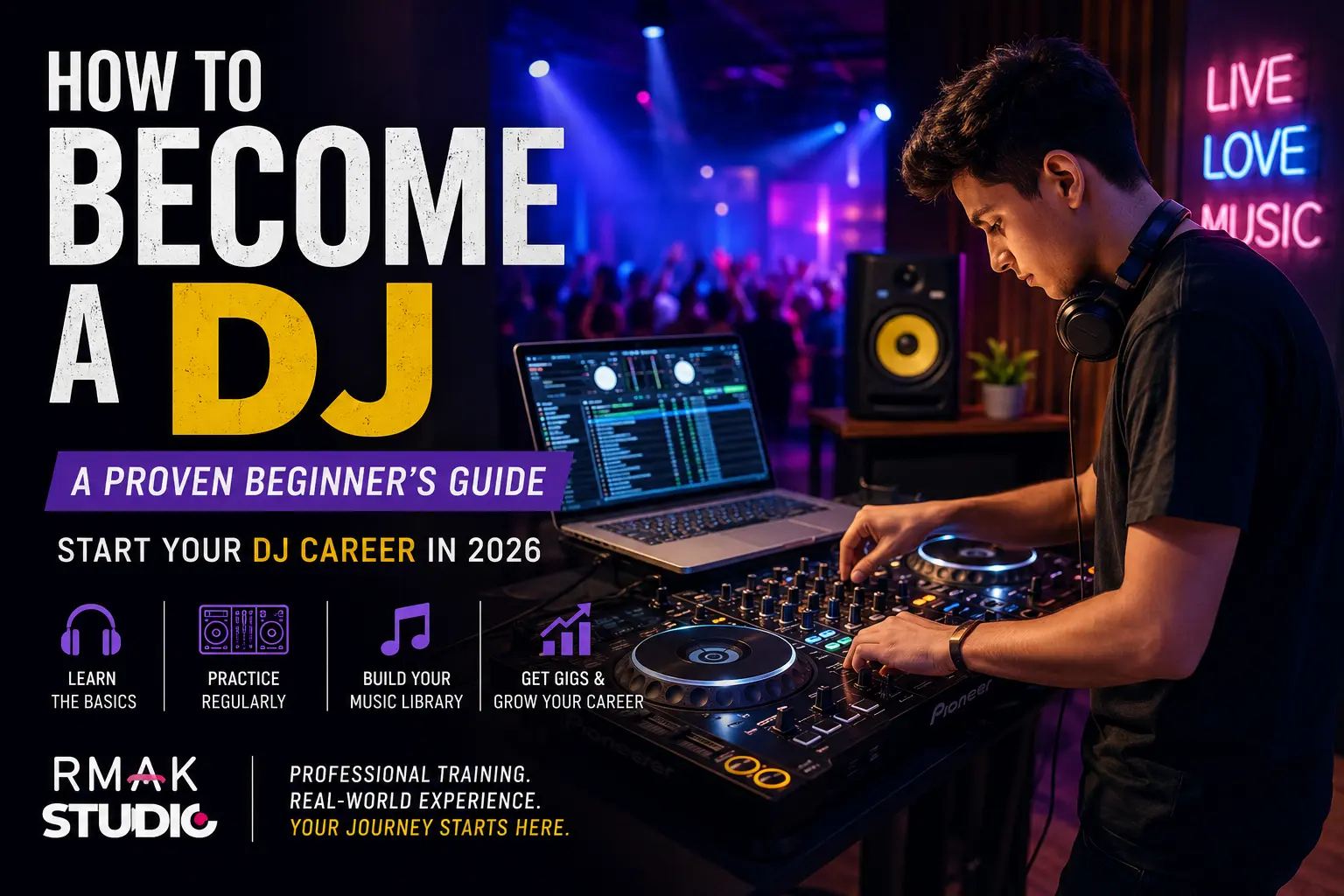
How to Become a DJ is one of the most common questions asked by people who dream of performing at clubs, festivals, weddings, private events, or creating their own music. The good news is that becoming a DJ is more achievable today than ever before. With modern DJ software, affordable equipment, online resources, and professional training, anyone with dedication and a passion for music can begin their journey.
DJing is no longer limited to nightclubs. DJs now perform at concerts, destination weddings, corporate events, cafes, fashion shows, music festivals, private parties, and even live-streamed performances. Many DJs also create original tracks, remixes, mashups, and content for social media, making DJing both a creative passion and a rewarding career.
In this beginner-friendly guide, you’ll learn everything you need to know about becoming a DJ, from choosing the right equipment and learning essential skills to building your personal brand and finding your first gigs. Whether you’re interested in DJing as a hobby or want to build a full-time career, this guide will help you take your first step.
Why Is DJing Becoming a Popular Career?
The entertainment industry continues to grow, creating more opportunities for skilled DJs. Music is an essential part of celebrations, live events, clubs, and digital content, which means talented DJs are always in demand.
Many people are choosing the DJ profession because it offers:
- Creative freedom
- Flexible working opportunities
- Performance experience
- Networking with artists
- Income from multiple sources
- Opportunities to travel
- Personal brand development
Some DJs perform only on weekends, while others work full-time, produce original music, teach DJing, or perform internationally.
What Does a DJ Actually Do?
Many beginners think DJs simply play songs one after another. In reality, professional DJing requires much more than pressing the play button.
A professional DJ carefully selects music, reads the audience’s energy, creates smooth transitions, and maintains the atmosphere throughout an event.
Depending on the type of event, DJs may:
- Mix songs seamlessly
- Beatmatch tracks
- Create live mashups
- Remix popular songs
- Adjust tempo and key
- Use sound effects creatively
- Interact with the audience
- Manage playlists for different occasions
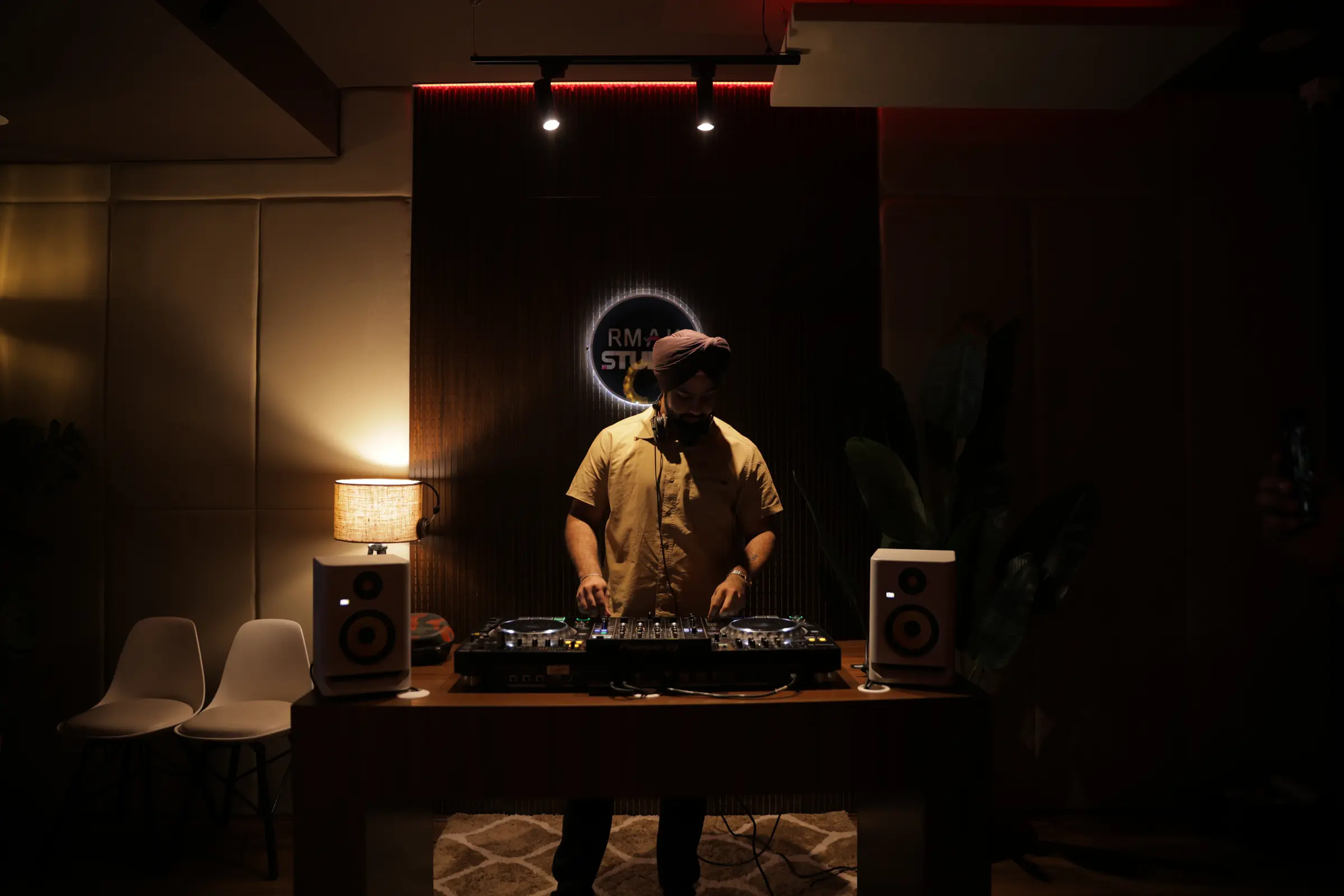
- Perform live using professional DJ controllers
The goal is to create an enjoyable musical experience that keeps listeners engaged from beginning to end.
Can Anyone Become a DJ?
Absolutely.
One of the biggest misconceptions is that you need years of musical training before learning to DJ. While understanding music theory can be helpful, it is not a requirement for getting started.
Many successful DJs began with little or no formal musical background. What matters most is your willingness to learn, practice consistently, and develop your own style over time.
If you enjoy listening to music, exploring different genres, and entertaining people, you’re already building the mindset needed to become a DJ.
Skills Every Beginner DJ Should Develop
Learning how to use DJ equipment is only one part of becoming a successful performer. Great DJs combine technical knowledge with creativity and audience awareness.
Here are some of the most important skills to develop.
Music Knowledge
A DJ should understand different music genres, tempos, and song structures.
The more music you explore, the easier it becomes to create playlists that match different moods and audiences.
Listening to a wide variety of artists also helps you discover unique mixing opportunities.
Beatmatching
Beatmatching is the process of synchronizing the tempo of two songs so they play smoothly together.
Although modern DJ software offers automatic synchronization features, learning manual beatmatching improves your understanding of rhythm and gives you greater control during performances.
Timing
Knowing when to introduce a new track is just as important as selecting the right song.
Good timing creates seamless transitions and helps maintain the energy on the dance floor.
Crowd Reading
Every audience is different.
Professional DJs observe the crowd’s reactions and adjust their music selection based on the atmosphere rather than relying on a fixed playlist.
This ability often separates experienced DJs from beginners.
Creativity
Technical skills are important, but creativity is what makes a DJ memorable.
Experimenting with transitions, mashups, edits, and effects helps you develop a unique performance style that audiences recognize.
Confidence
Performing in front of people can feel intimidating at first.
The more you practice and perform, the more comfortable and confident you’ll become behind the DJ console.
Equipment You’ll Need to Start DJing
One of the most common questions beginners ask is whether they need expensive equipment before learning.
Fortunately, you don’t have to build a professional studio on day one. Many successful DJs began with basic setups and upgraded their gear as their skills improved.
Here are the essentials.
Laptop or Computer
A reliable computer is the heart of your DJ setup.
It runs your DJ software, stores your music library, and controls your performance.
Choose a system with enough processing power to handle large music collections and live mixing without interruptions.
DJ Controller
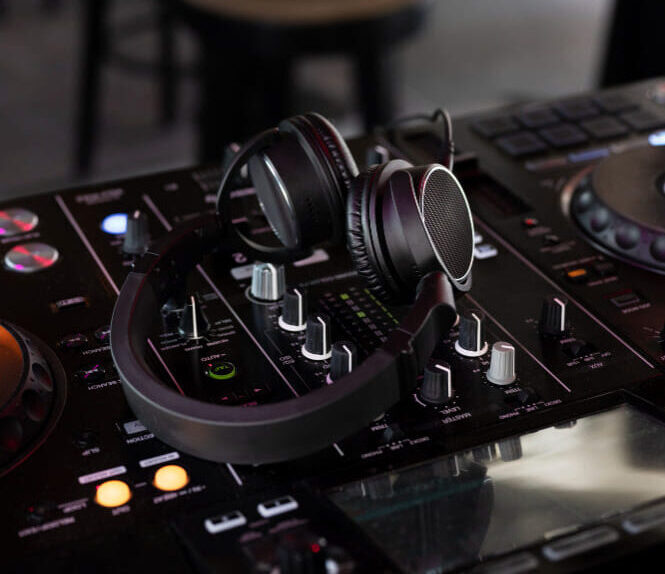
A DJ controller allows you to mix tracks using physical controls instead of relying only on a keyboard and mouse.
Most beginner-friendly controllers include:
- Jog wheels
- Performance pads
- EQ controls
- Volume faders
- Crossfader
- Loop controls
- Effects section
Learning on a controller also prepares you for using professional club equipment in the future.
DJ Software
Modern DJ software gives you access to powerful performance tools, including:
- Beatmatching
- Cue points
- Loops
- Effects
- Sampling
- Recording
- Playlist management
We’ll cover the best software options in the next section of this guide.
Headphones
Professional DJ headphones help you preview the next track before the audience hears it.
Look for headphones that offer clear sound, good isolation, and comfortable ear cushions for longer practice sessions.
Speakers
Good speakers help you hear your mixes accurately while practicing.
Although studio monitors are ideal for detailed listening, beginners can start with quality powered speakers and upgrade later as needed.
USB Drive
Many clubs and event venues use professional CDJs that play music directly from USB drives.
Keeping an organized and regularly updated USB collection is a good habit for aspiring DJs.
Do You Need a DJ Course?
Many beginners successfully teach themselves through online videos and practice. However, learning entirely on your own can sometimes slow your progress because you’re responsible for identifying and correcting your own mistakes.
A structured DJ course provides a more organized learning experience. Instead of jumping between random tutorials, you follow a clear path that covers essential skills in the right order.
Professional training also gives you access to experienced mentors, industry-standard equipment, practical sessions, and constructive feedback that can help you improve more efficiently.
Whether you choose self-learning, professional training, or a combination of both, the key is to practice consistently and keep building your confidence behind the decks.
Best DJ Software for Beginners
Choosing the right DJ software is one of the first major decisions you’ll make while learning How to Become a DJ. The software acts as your digital workspace, helping you organize music, mix tracks, create playlists, and perform live.
Every professional DJ has personal preferences, but several applications are particularly beginner-friendly.
Rekordbox
Rekordbox is one of the most widely used DJ software platforms in clubs and festivals worldwide.
It offers features such as:
- Music library management
- Cue points
- Beat grids
- Loops
- Performance mode
- USB export for CDJs
If you plan to perform in clubs that use Pioneer DJ equipment, Rekordbox is an excellent choice.
Serato DJ Pro
Serato DJ Pro is known for its clean interface and reliable performance.
Many beginner and professional DJs use Serato because it supports a wide range of DJ controllers and offers powerful mixing tools.
Popular features include:
- Smart crates
- Performance pads
- FX controls
- Recording
- Stems separation
- Easy library organization
VirtualDJ
VirtualDJ is another beginner-friendly option that makes learning easier.
Its interface is intuitive, and it includes useful features like:
- Automatic beat matching
- Karaoke support
- Video mixing
- Live broadcasting
- AI-powered stems
It’s an excellent platform for home practice before performing live.
Traktor Pro
Traktor Pro is popular among electronic music DJs who enjoy experimenting with creative mixing techniques.
It provides advanced tools including:
- Remix decks
- Live looping
- Effects
- Sampling
- Creative performance features
Although slightly more advanced, many DJs eventually transition to Traktor as they gain experience.
Build Your Music Library
A DJ is only as good as the music they play.
Instead of downloading random songs, build a carefully organized music collection.
Include different genres, tempos, and moods so you’re prepared for a variety of audiences.
Your library may include:
- Bollywood
- Punjabi
- EDM
- House
- Hip-Hop
- Commercial Pop
- Retro Hits
- Deep House
- Tech House
- Dance Remixes
- Mashups
- Regional Music
Keeping your music organized into folders or playlists makes it much easier to find the right track during a performance.
Practice Like a Professional DJ
Many beginners believe practicing means simply mixing random songs together.
Effective practice is much more structured.
Set aside dedicated time to improve one specific skill during each session.
For example:
Monday
Practice beatmatching.
Tuesday
Work on smooth transitions.
Wednesday
Experiment with EQ mixing.
Thursday
Practice looping and hot cues.
Friday
Record a 20-minute DJ set.
Weekend
Review each recorded session carefully, note what worked well, and focus on improving the areas that need more practice.
Recording your own practice sessions helps you notice mistakes that you might not hear while performing.
Learn to Read the Crowd
Technical skills alone don’t make a successful DJ.
One of the most valuable abilities you can develop is understanding your audience.
A professional DJ pays close attention to:
- Crowd energy
- Dance floor activity
- Song reactions
- Event atmosphere
- Audience age group
- Music preferences
Being flexible allows you to adjust your playlist based on the crowd rather than sticking to a pre-planned set.
This skill often comes with experience, but observing audience reactions during every performance will help you improve.
Start Recording Your DJ Sets
Recording your mixes is one of the fastest ways to grow.
Listening back allows you to evaluate:
- Song selection
- Timing
- Transitions
- Volume balance
- EQ adjustments
- Overall energy
Many professional DJs continue recording their practice sessions because self-review helps refine their performances over time.
Create Your Personal DJ Brand
Today’s DJs are more than performers—they’re creators, entertainers, and personal brands.
Building your identity helps people remember you.
Consider creating:
- A memorable DJ name
- Professional logo
- Social media profiles
- Portfolio website
- Promotional photos
- Demo mixes
- Short performance videos
Consistency across your branding creates a stronger impression and makes it easier for potential clients to recognize your work.
Promote Yourself Online
Social media has become an essential tool for DJs.
Sharing your work consistently can help attract event organizers, venues, collaborators, and new audiences.
Useful platforms include:
- YouTube
- TikTok
- SoundCloud
- Mixcloud
You can begin building your DJ career even with a small online audience. Consistent, high-quality content matters more than follower count. Posting high-quality content regularly is often more effective than chasing viral success.
How to Get Your First DJ Gig
Landing your first performance can feel challenging, but every experienced DJ started somewhere.
Some practical ways to gain experience include:
- Performing at college events
- Playing at private parties
- Volunteering for community events
- Collaborating with local cafés
- Networking with event organizers
- Participating in DJ competitions
- Sharing demo mixes online
Each performance helps you build confidence and expand your network.
Can You Earn Money as a DJ?
Yes. DJing offers several income opportunities depending on your experience, reputation, and skills.
Many DJs earn through:
- Club performances
- Wedding events
- Corporate functions
- Private parties
- Music festivals
- Brand collaborations
- Music production
- Online content creation
- DJ training
- Selling sample packs
- Remix production
As your reputation grows, additional opportunities often become available.
DJ Career Opportunities in India
The entertainment industry in India continues to grow, creating increasing demand for skilled DJs.
Career opportunities include:
- Club DJ
- Wedding DJ
- Festival DJ
- Radio DJ
- Resident DJ
- Event DJ
- Mobile DJ
- Music Producer
- Remix Artist
- Corporate Event DJ
- Cruise DJ
- DJ Instructor
Many professionals combine DJing with music production, allowing them to perform their own original tracks and build a stronger personal brand.
Common Mistakes Beginner DJs Should Avoid
Every beginner makes mistakes, but recognizing them early can help you improve more quickly.
Buying expensive equipment too soon
Focus on developing your skills before investing in high-end gear.
Ignoring music organization
A well-organized library saves valuable time during performances.
Playing only personal favorites
Great DJs balance their own style with the preferences of the audience.
Depending entirely on Sync
The Sync feature is useful, but learning manual beatmatching improves your understanding of rhythm and prepares you for different performance situations.
Skipping practice
Consistent practice builds confidence, improves timing, and strengthens your overall performance.
Avoiding feedback
Constructive feedback from experienced DJs, instructors, or fellow performers can help you identify areas for improvement much faster than practicing alone.
Why Join a Professional DJ Course?
While it’s possible to learn DJing through YouTube videos and online tutorials, many beginners eventually reach a point where they need structured guidance. Learning from random videos can leave gaps in your knowledge, making it difficult to build confidence and progress efficiently.
A professional DJ course provides a clear learning path, practical assignments, and access to experienced mentors who can help you improve your technique.
Some of the advantages include:
- Learning in a structured sequence
- Hands-on practice with professional DJ equipment
- Personal feedback from instructors
- Exposure to real-world performance techniques
- Networking with other aspiring DJs
- Faster skill development
Whether your goal is to perform at clubs, weddings, festivals, or private events, professional training can help you build a strong foundation.
Why Choose RMAK Studio?
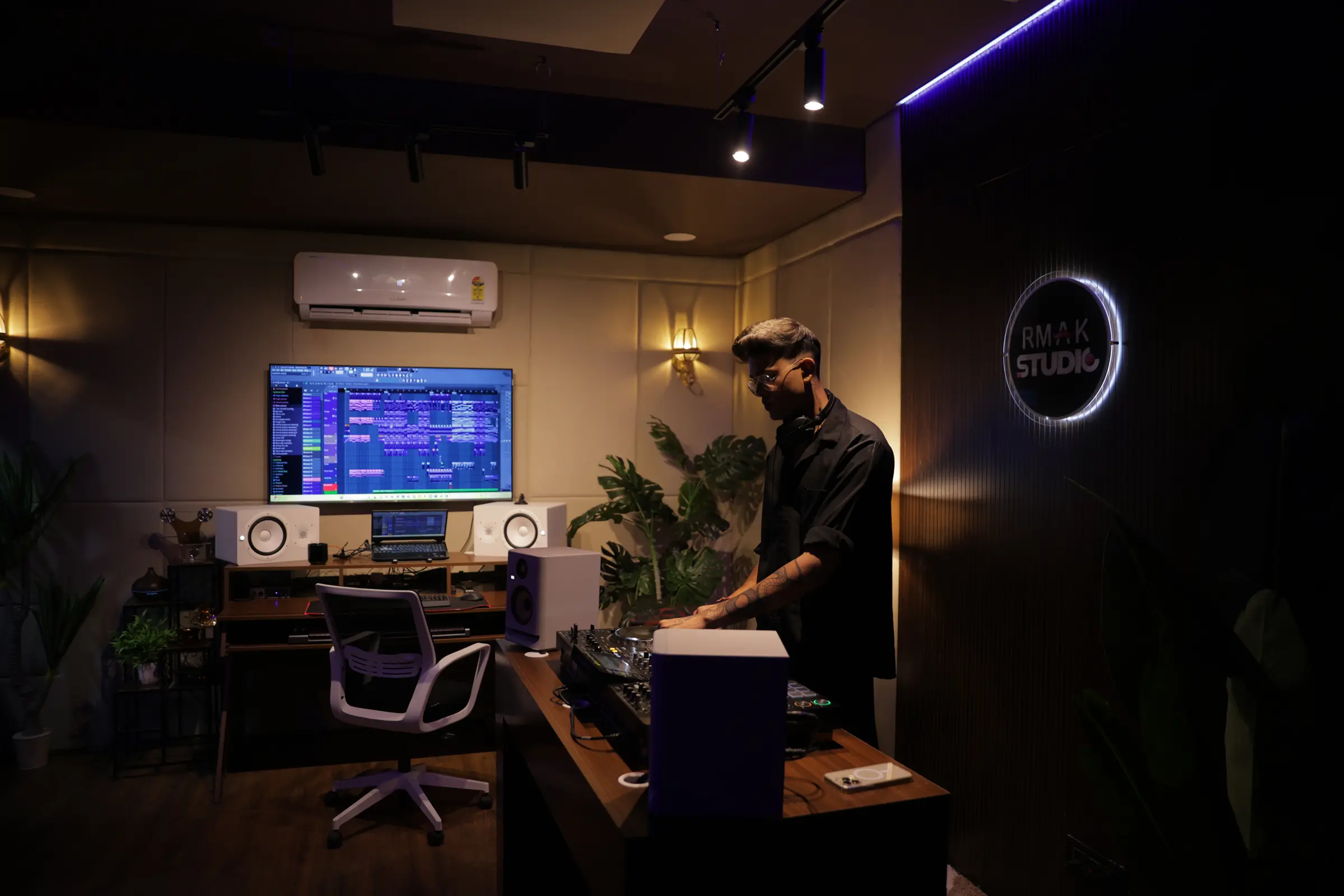
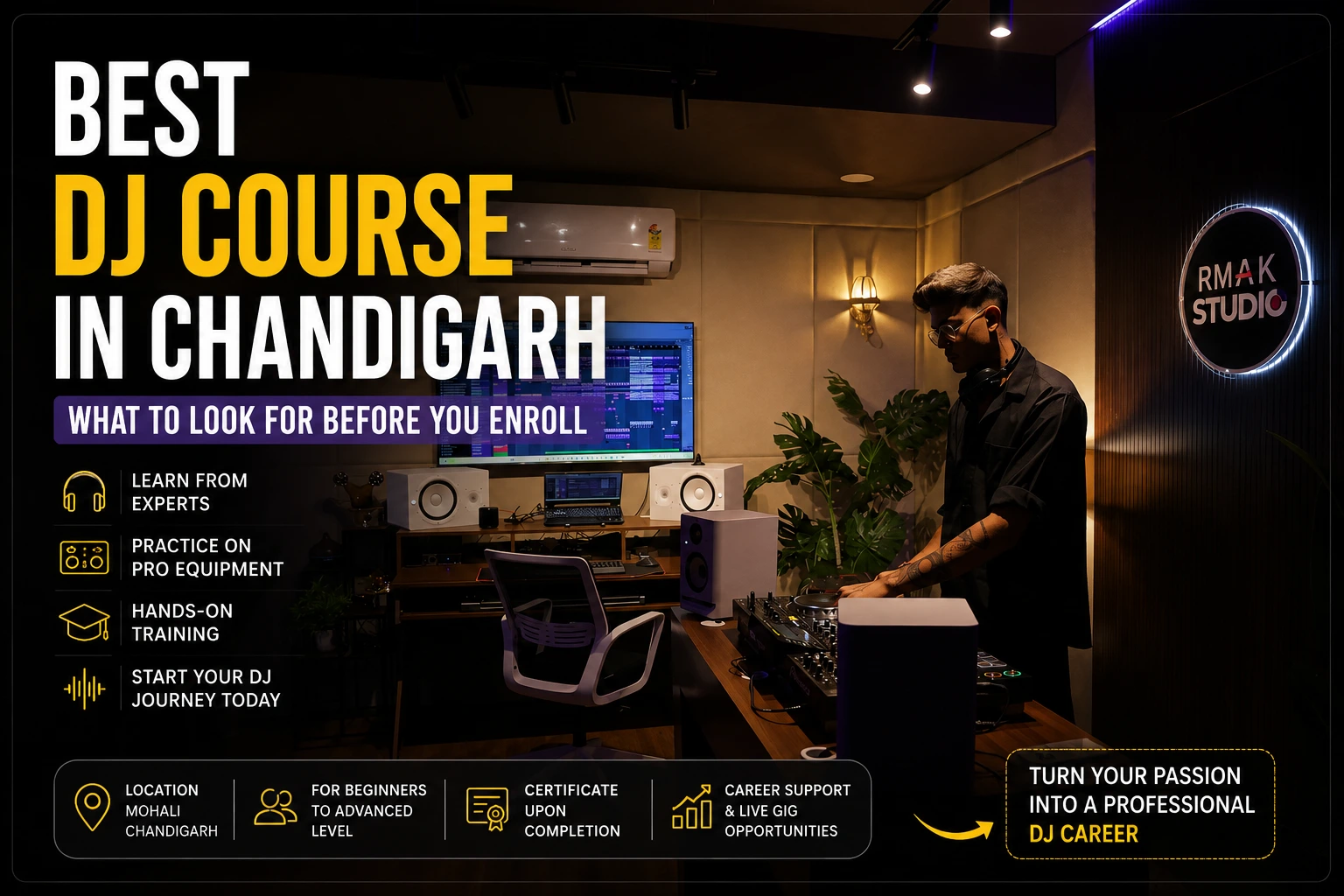
If you’re looking for a place to Learn DJing with practical experience, RMAK Studio offers a professional learning environment designed for aspiring DJs and music producers.
Located in Mohali, RMAK Studio welcomes students from Chandigarh, Panchkula, Zirakpur, Kharar, and across the Tricity region.
Students receive hands-on training using industry-standard equipment and software commonly found in professional clubs and studios.
During the course, you’ll learn:
- DJ fundamentals
- Beatmatching
- Manual mixing
- Music library management
- EQ techniques
- Live transitions
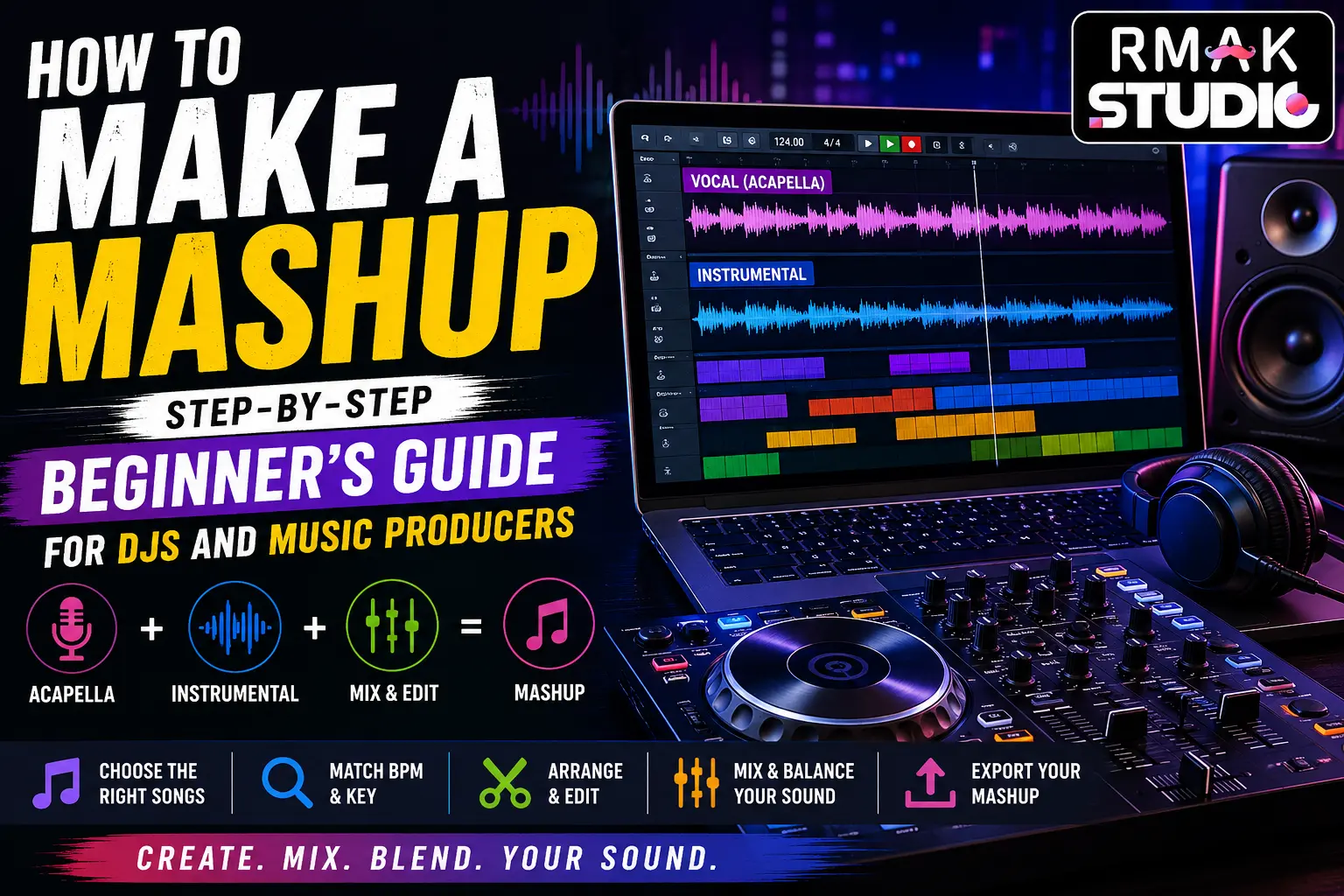
- Mashup creation
- Performance skills
- Event preparation
Beyond technical skills, students also gain insights into branding, networking, and preparing for real-world DJ opportunities.
Whether you’re learning as a hobby or aiming for a professional career, RMAK Studio provides an environment where creativity and practical experience go hand in hand.
You May Also Like
- FL Studio or Ableton Live: Which DAW Should Beginners Choose?
- How to Make a Mashup: Step-by-Step Beginner’s Guide
- Best DJ Course in Chandigarh: What to Look for Before You Enroll
- Podcast Studio Rent: The Complete Guide to Choosing the Right Recording Space
- Studio Services
These guides will help you strengthen your music production knowledge and discover additional creative opportunities.
Build Your DJ Career with Confidence
Learning How to Become a DJ is not about buying expensive equipment or memorizing every feature of DJ software. It’s about developing your skills through consistent practice, understanding your audience, and enjoying the process of performing.
Every successful DJ started as a beginner. The difference is that they remained committed to learning, practicing, and improving with every performance.
Focus on mastering the fundamentals, experiment with different music styles, and continue building your confidence behind the decks. Over time, your skills, experience, and unique style will help you stand out in the industry.
If you’re serious about turning your passion into a career, combining self-practice with professional training can help you reach your goals more efficiently.
Frequently Asked Questions
1. Can I become a DJ without any experience?
Yes. Anyone with an interest in music and a willingness to practice can begin learning DJing from scratch. No previous experience is required.
2. How long does it take to become a DJ?
Most beginners learn the basics within a few months of consistent practice. Becoming confident enough to perform live depends on your dedication, practice routine, and learning environment.
3. Do I need expensive equipment to start DJing?
No. You can begin with an entry-level DJ controller, a laptop, headphones, and DJ software. As your skills improve, you can gradually upgrade your equipment.
4. Which DJ software should beginners learn?
Popular beginner-friendly options include Rekordbox, Serato DJ Pro, VirtualDJ, and Traktor Pro. The right choice depends on your goals and preferred workflow.
5. Can I become a DJ without learning music theory?
Yes. Music theory is helpful but not mandatory. Many successful DJs started without formal musical training and developed their skills through practice.
6. Is DJing a good career in India?
The entertainment industry offers DJs opportunities to perform at weddings, clubs, music festivals, cafés, corporate events, and private celebrations, making it an exciting career path for skilled performers.
7. How much can beginner DJs earn?
Earnings vary depending on experience, event type, location, and reputation. As you gain experience and build a strong portfolio, your earning potential generally increases.
8. Can I learn DJing at home?
Absolutely. Many aspiring DJs begin their journey at home with beginner-friendly DJ software and a basic controller before moving on to professional equipment. However, professional training can provide structured guidance and practical experience.
9. How do DJs get bookings?
DJs often receive bookings through networking, social media, referrals, event organizers, music promoters, clubs, and by sharing demo mixes online.
10. Do DJs produce their own music?
Many professional DJs also create original tracks, remixes, edits, and mashups. Producing your own music helps establish a unique identity and can open up more performance opportunities.
11. Is age important when learning DJing?
No. People of different age groups learn DJing. What matters most is your passion for music, willingness to practice, and commitment to improving your skills.
12. Can DJing be a part-time career?
Yes. Many DJs begin by performing on weekends or at private events while continuing their regular jobs or studies. As they gain experience, some choose to pursue DJing full-time.
13. Why should I join a DJ Course at RMAK Studio?
RMAK Studio provides practical DJ training using professional equipment, experienced instructors, and hands-on sessions. Students learn real-world performance techniques, music mixing, beatmatching, and live DJ workflows in a supportive learning environment.
14. Will I receive practical training?
Yes. Practical learning is a key part of the training process. Students spend time working directly on professional DJ setups to build confidence and improve their performance skills.
15. Can learning music production help my DJ career?
Absolutely. Music production enables DJs to create original tracks, remixes, and mashups, helping them develop a distinctive sound and expand their career opportunities.