A Music Production Course is the fastest, clearest way to turn your love for music into real, finished tracks. If beats, melodies, recording, and mixing excite you, structured training can save you years of guesswork and bad habits.
Music creation today no longer belongs only to big-budget studios. With the right software, the right guidance, and a little consistency, almost anyone can learn to produce songs from scratch.
Maybe you want to build beats for singers, flip mashups, make electronic tracks, or simply understand how your favourite songs are put together. Whatever the goal, a proper Music Production Course gives you the skills to get there with far less frustration.
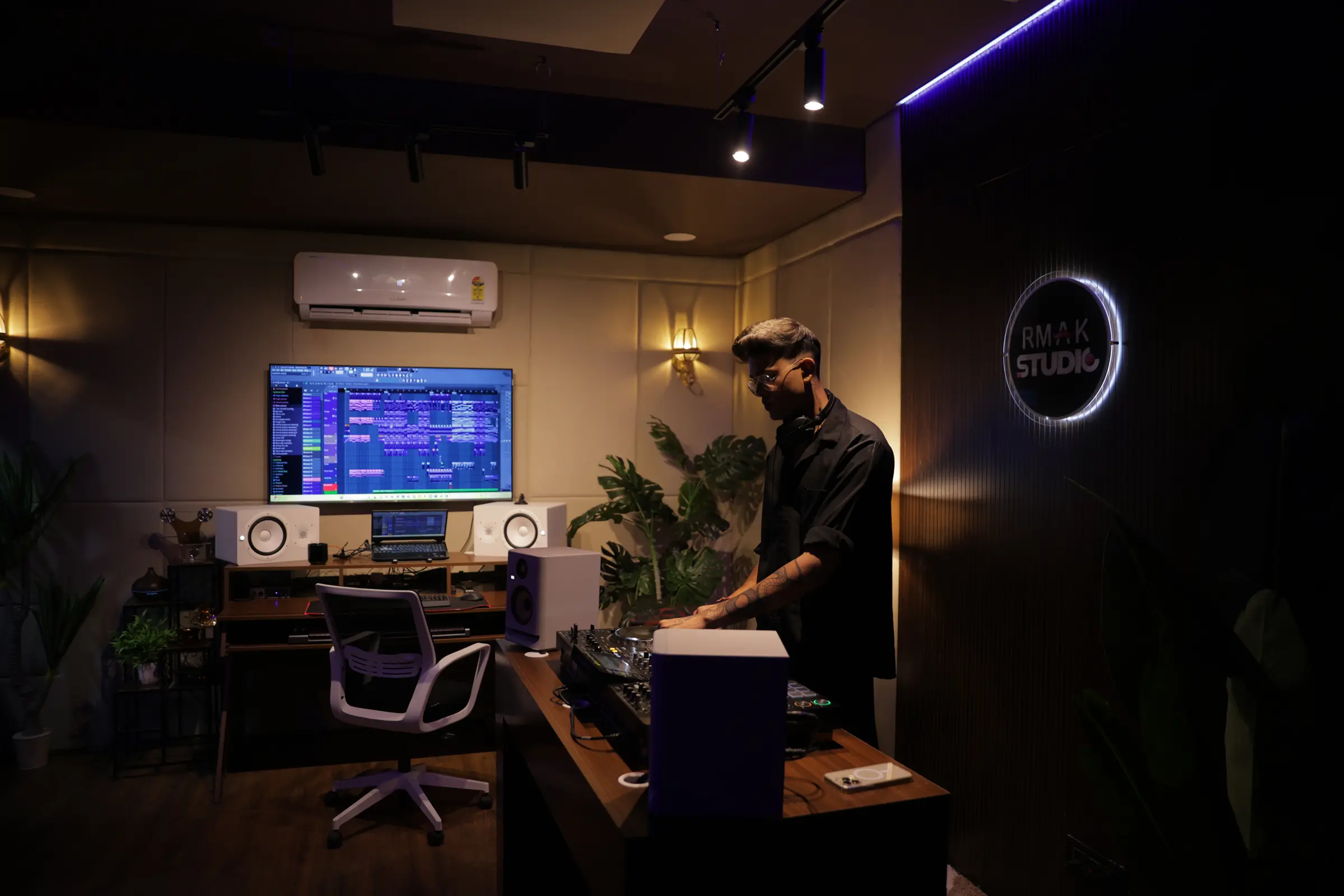
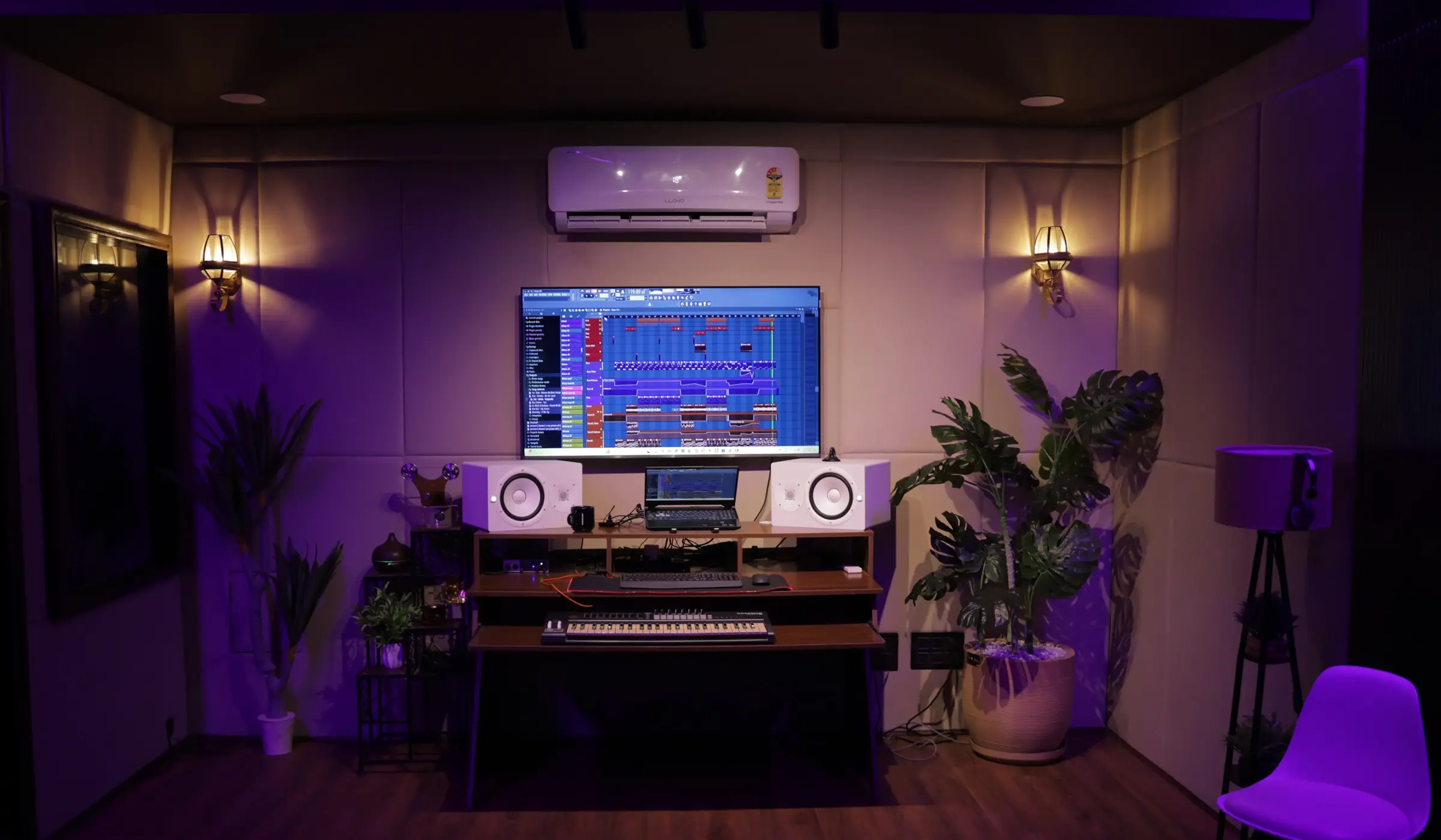
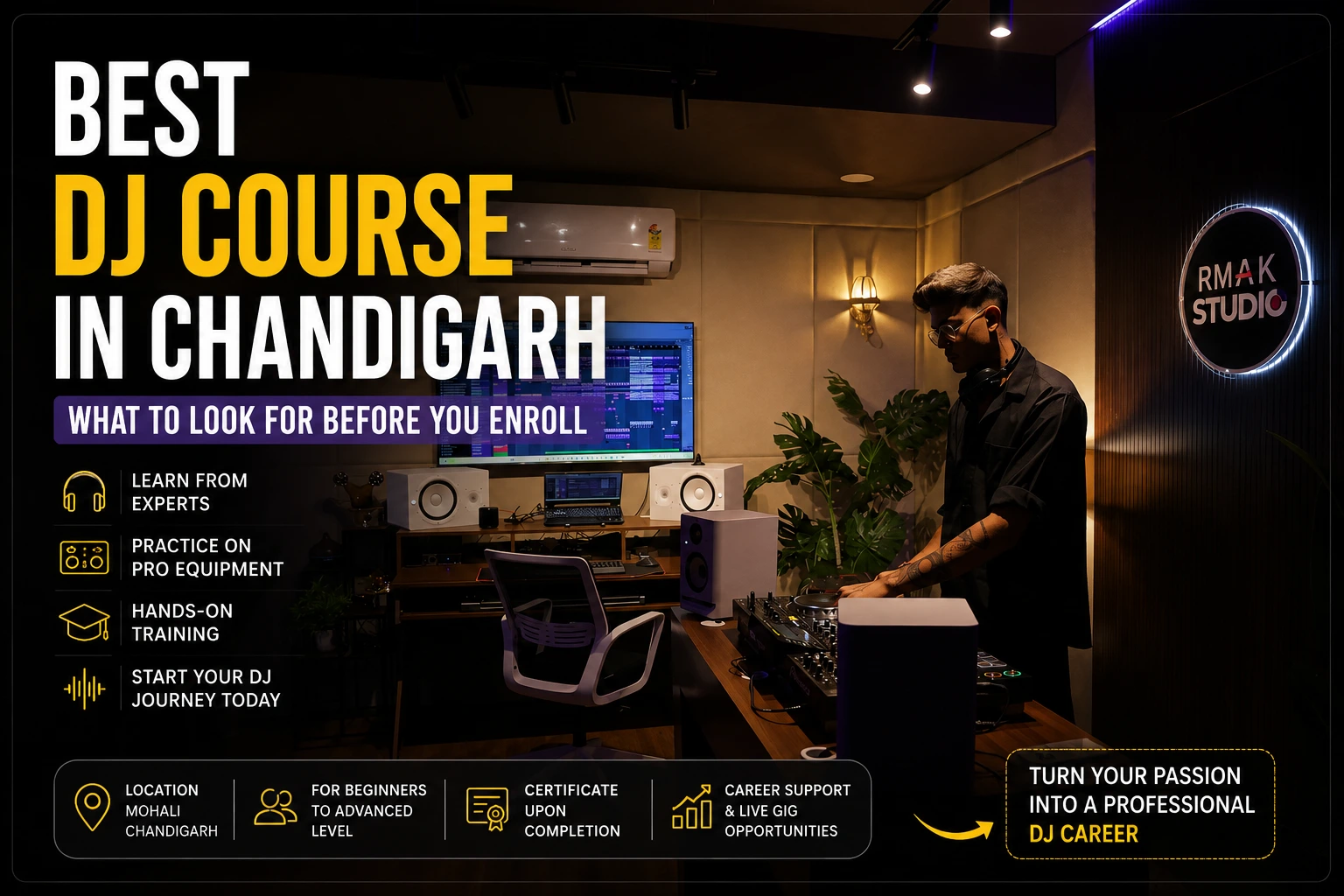
At Rmak Studio in Mohali, our training focuses on doing, not just watching — you produce real music from your very first sessions.
Why a Music Production Course Beats Random YouTube Videos
Most beginners start with scattered YouTube tutorials. Free videos are great for curiosity, but they rarely teach things in the right order, and the gaps add up fast.
A structured Music Production Course hands you a clear, step-by-step path instead. You move from fundamentals to finished tracks without skipping the parts that actually matter.
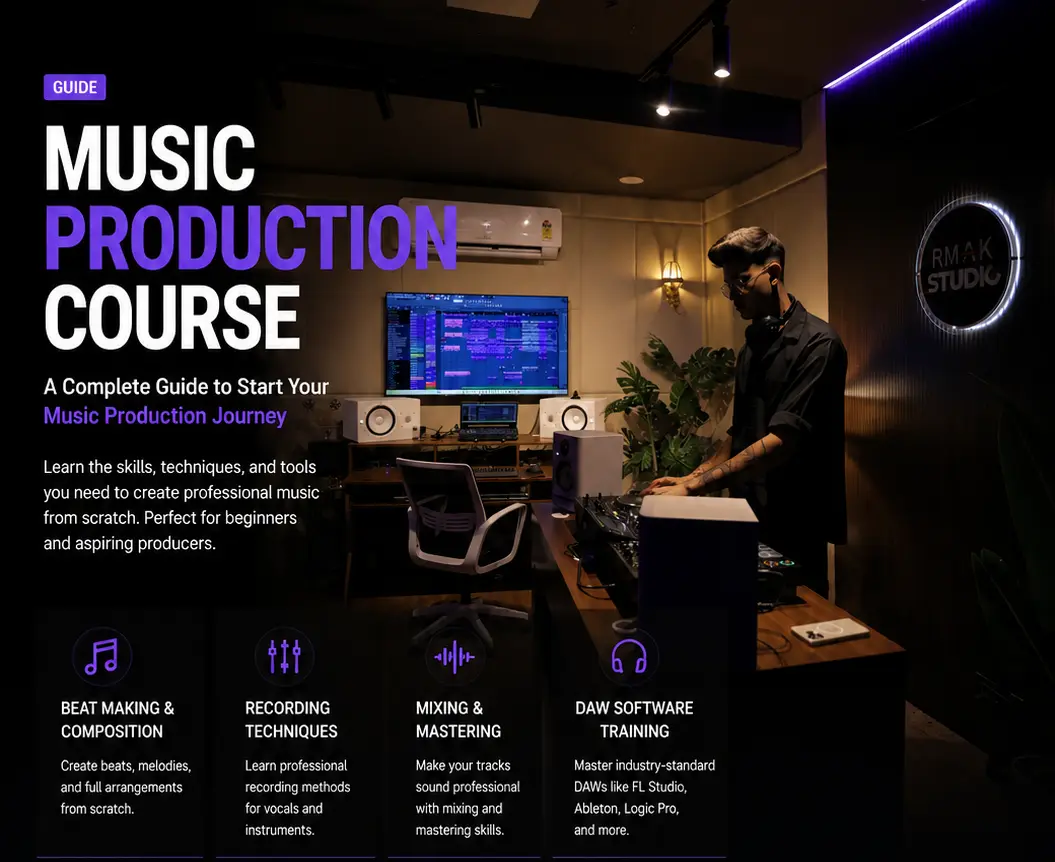
Across a good program you’ll cover music production basics, beat making, recording, mixing and mastering, DAW workflow, sound design, arrangement, and core audio engineering. Learning these as one connected process — rather than ten random fragments — is what makes your progress feel fast and genuinely professional.
What You Actually Learn in Our Music Production Course
Good training goes far beyond “which button does what.” Here’s how our music production classes are structured.
1. Music Production Fundamentals
Every producer starts here. You’ll learn what music production really involves, how a song is structured, and the difference between mixing and mastering.
We also cover tempo, rhythm, BPM, and arrangement, plus the basics of clean audio recording. This foundation makes everything that follows much easier to absorb.
2. Beat Making and Composition
This is usually the most fun stage of the Music Production Course, and where your ideas start sounding like songs.
You’ll build drum patterns, write melodies and chord progressions, add basslines and instruments, and arrange loops into a complete piece. It’s the moment theory turns into something you can actually play for friends.
3. Working Inside a DAW
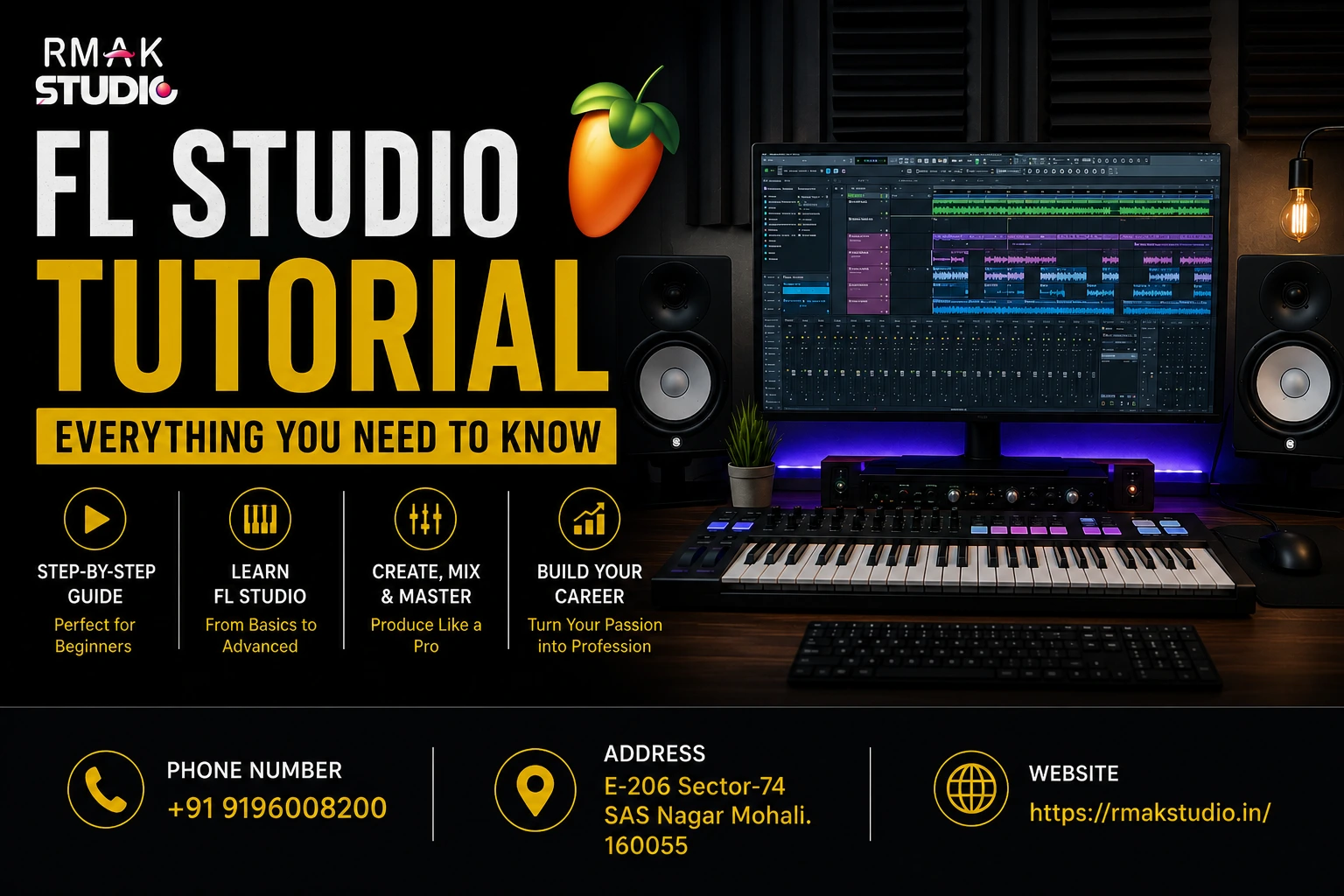
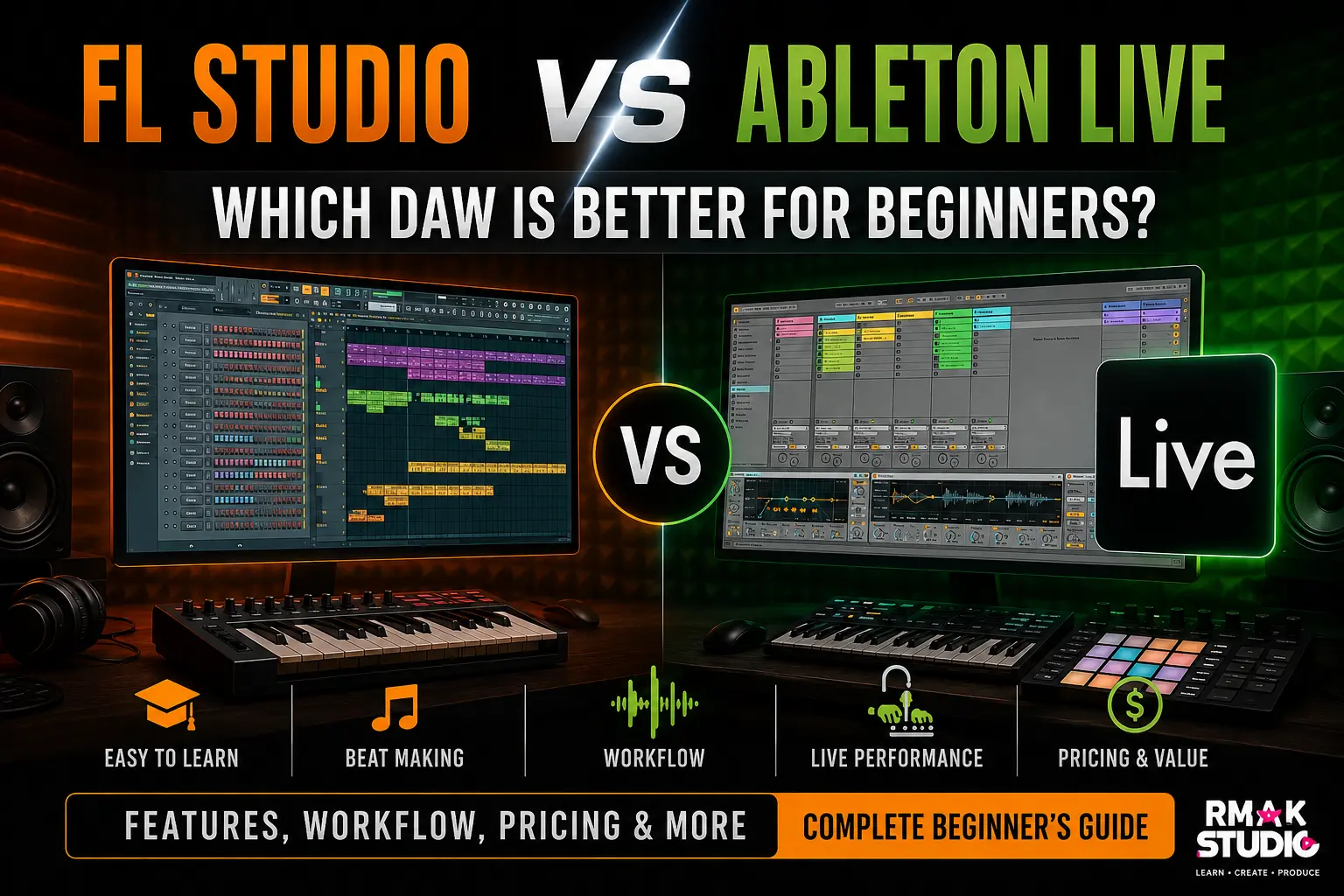
DAW simply means Digital Audio Workstation — the software where modern music is made. Popular options include FL Studio, Ableton Live, Logic Pro, Cubase, and Studio One.
In our course you’ll get comfortable with interface navigation, sequencing, MIDI programming, audio recording, plugins, automation, and arrangement tools. Once a DAW stops feeling intimidating, production speeds up dramatically.
4. Recording Techniques
If you plan to work with singers, rappers, or live instruments, recording quality decides everything that comes after.
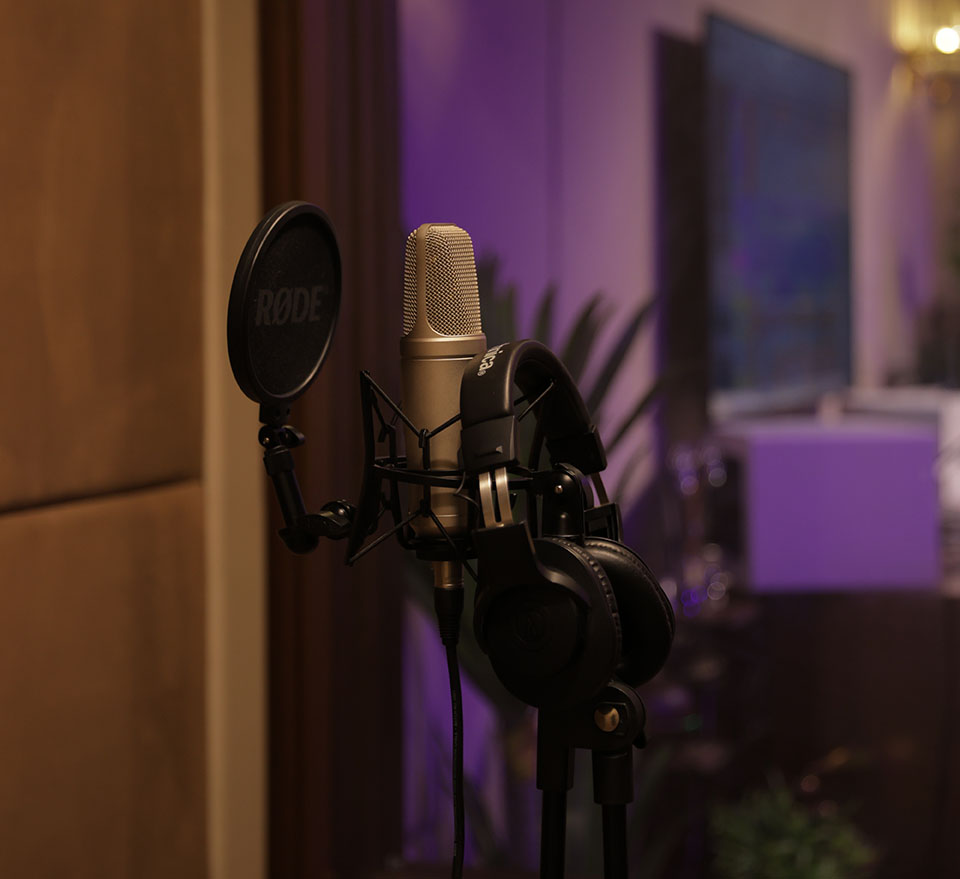
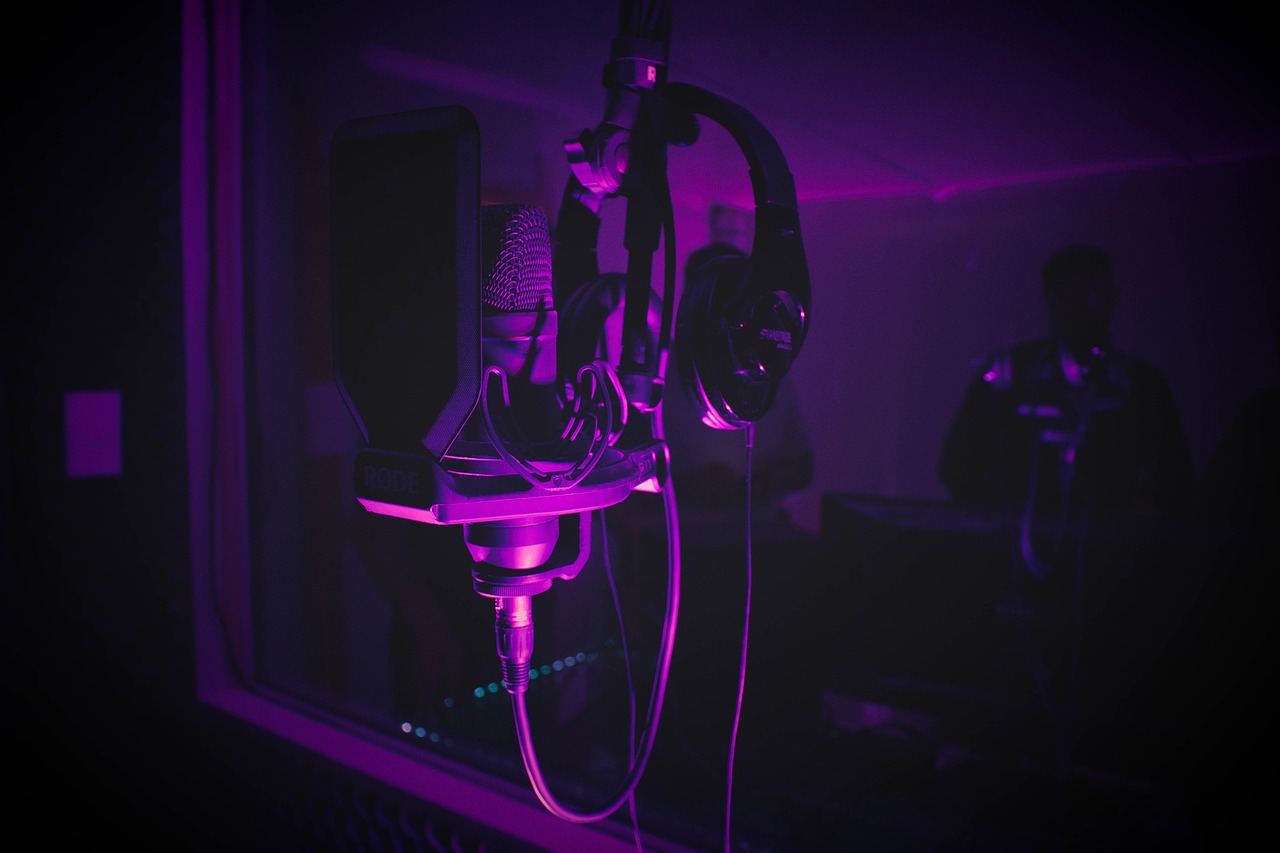
We teach microphone basics, vocal recording, gain staging, proper recording setup, audio interface use, and monitoring. Clean recording is always the first step toward a professional sound, and it’s far easier to learn hands-on in a recording studio.
5. Mixing in the Music Production Course
Mixing is what makes a song feel balanced, wide, and polished rather than muddy and flat.
You’ll work with EQ, compression, reverb, delay, stereo imaging, panning, and vocal balancing, learning to manage frequencies so every element has its own space. A confident mix can transform a rough idea into a track that sounds release-ready.
6. Mastering Basics
Mastering is the final polish before a song goes out into the world. In this part of the Music Production Course, you’ll cover loudness control, limiting, final EQ, stereo enhancement, and correct export settings.
The goal is simple: your track should sound great everywhere — on Spotify, YouTube, headphones, car speakers, and club systems alike.
Who Should Join a Music Production Course?
This kind of training suits a wide range of people:
- Complete beginners who love music but have never produced a single track.
- Singers and artists who want to understand how their own music is built.
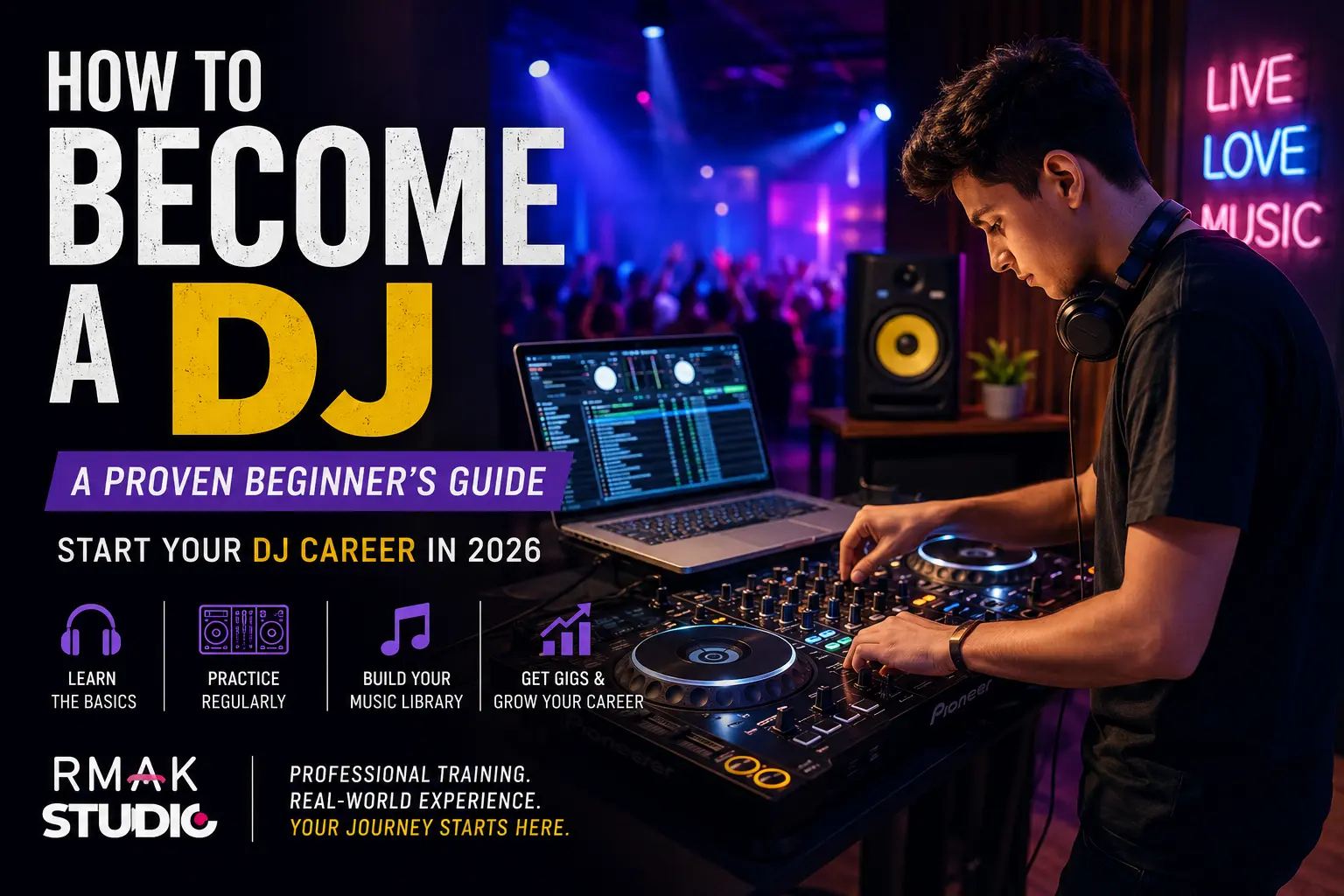
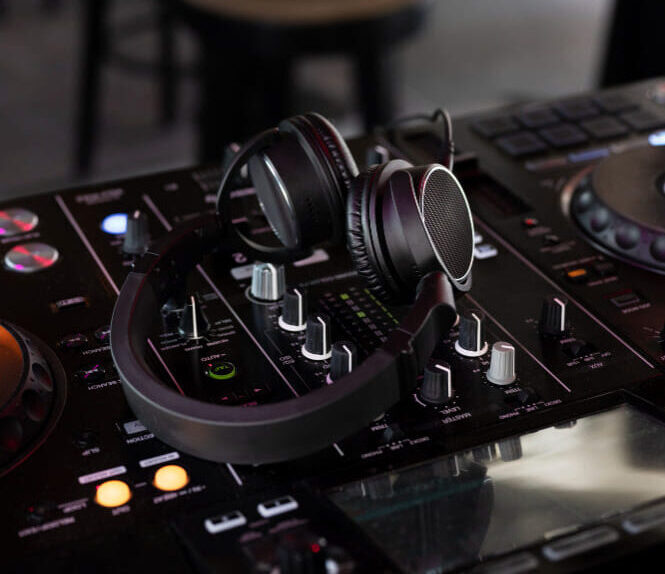
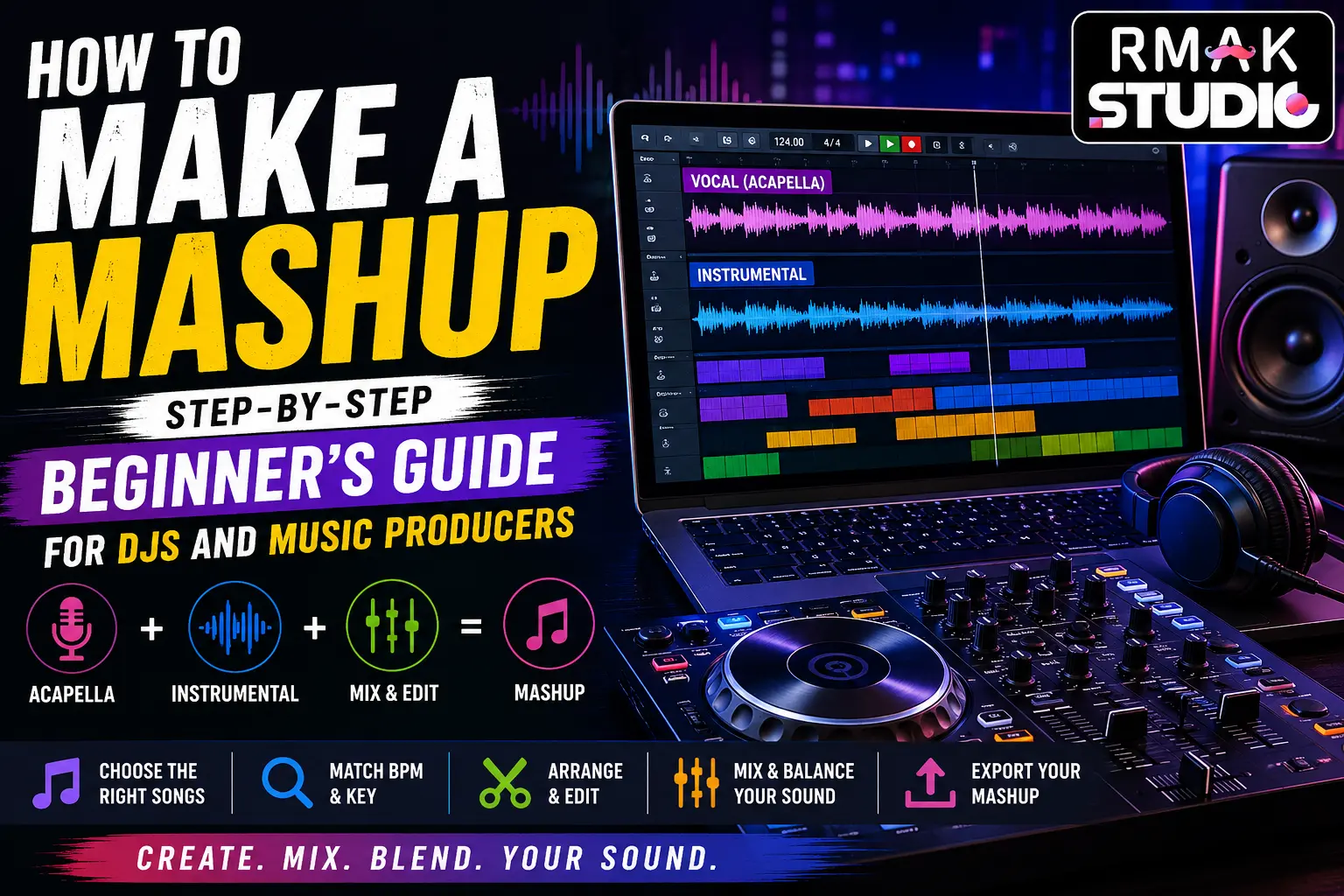
- DJs looking to create original tracks, remixes, and mashups — many of our students also explore our DJ course.
- Content creators who need custom music for reels, videos, and podcasts.
- Independent musicians who’d rather produce on their own terms than depend on anyone else.
The Real Benefits of Structured Training
Learning properly saves time first and foremost. Instead of drifting through years of trial and error, you follow a guided route and reach real results sooner.
A strong Music Production Course is also hands-on. You don’t just watch — you create actual songs, get live feedback, and fix mistakes while they’re still small.
Beyond technique, you pick up industry know-how: how producers organise sessions, choose sounds, use plugins, and finish tracks to a professional standard. And because production is equal parts technical and creative, the right course also sharpens your musical thinking, arrangement ideas, and overall confidence.
Basic vs Advanced Music Production Course
Different learners need different starting points, so most studios offer more than one level.
A basic Music Production Course is built for newcomers and usually covers DAW basics, beat making, song structure, recording fundamentals, and an introduction to mixing.
An advanced track is for producers who already know the essentials. It dives into advanced sound design, professional mixing, mastering, vocal processing, automation, complex arrangement, and full industry workflow.
Not sure which level fits you? A quick chat or free demo is the easiest way to find out — reach out through our contact page and we’ll point you in the right direction.
Can You Build a Career After a Music Production Course?
Music production has grown into a genuine career path, though, like any creative field, results depend on practice and a strong portfolio.
After finishing a Music Production Course, people commonly work as music producers, beat makers, recording and mixing engineers, sound designers, podcast editors, and DJ producers. Plenty of others produce and release their own music independently, building an audience and income online over time.
How to Choose the Right Music Production Course
Before you enrol anywhere, check a few things. Practical training should come before theory, because real studio practice is what builds skill. Make sure the course teaches genuine production tools, not just slideshows.
Look for real mentorship from working professionals, project-based learning where you finish actual tracks, and proper studio access for hands-on recording. These four factors separate a course that changes your skills from one that just fills your weekend.
Why Studio-Based Learning Wins
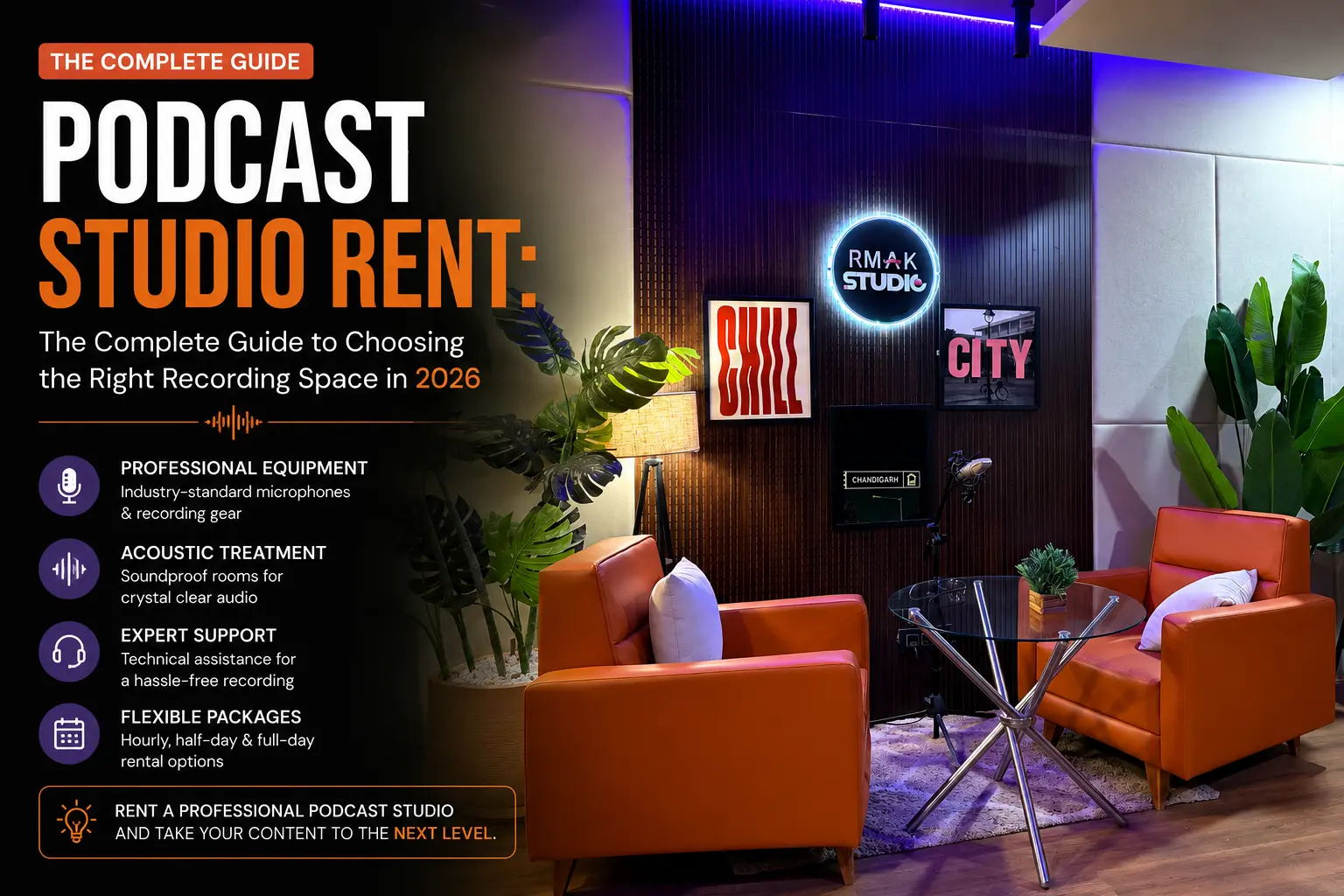
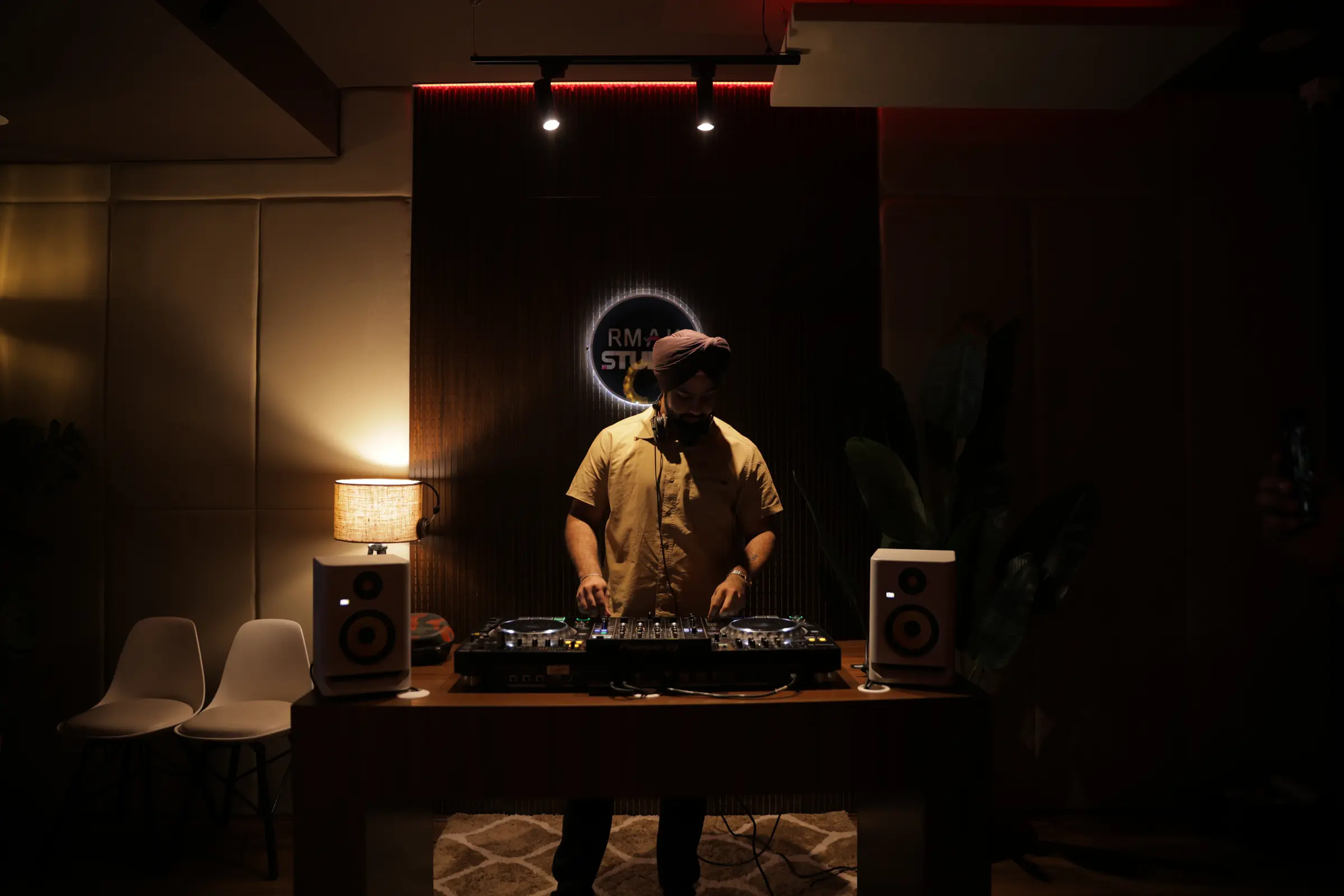
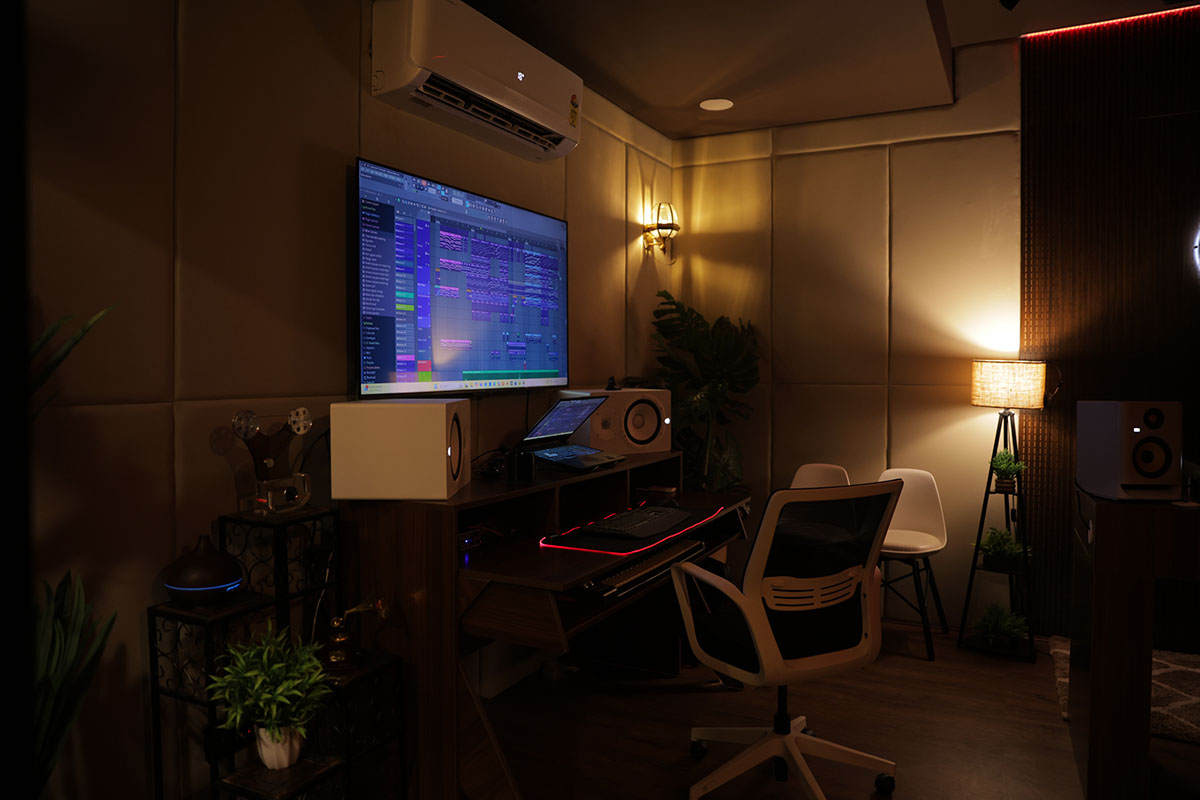
Online lessons absolutely have their place. But a studio setting gives you things a screen never can: real equipment, professional monitoring, live recording practice, instant feedback, and exposure to a true industry workflow.
That combination is exactly why studio-based learning tends to move students forward so much faster.
Start Your Music Production Journey in Mohali
Music creation is no longer locked behind expensive gear or big-city studios. With passion and the right guidance, you can learn to produce music you’re proud of.
A professional Music Production Course gives you the skills, confidence and technical foundation to turn loose ideas into finished, shareable tracks — whether you’re chasing beats, mashups, vocals, or a full career in music.
If you’re serious about making music, there’s no better time to begin. Visit Rmak Studio at E-206, Sector 74, SAS Nagar, Mohali, call or WhatsApp , and book your free demo class today. You can also explore more of what we offer at Rmak Studio. Take a look at our full range of courses to find the right track for your goals, or browse our professional services for recording, mixing and more. Check out our gallery to see our studio setup, follow us on Instagram for the latest sessions and student work, and visit our about us page to learn more about who we are and what we do.
Frequently Asked Questions
1. What is a Music Production Course?
A Music Production Course is structured training that teaches you to create complete songs — from beat making and recording to mixing and mastering — using a DAW and professional studio equipment, in the correct step-by-step order.
2. How much does a Music Production Course cost in Mohali?
Fees depend on whether you choose the basic or advanced track. For current batch pricing and any ongoing offers at Rmak Studio, call or WhatsApp us at — we’ll share the latest details.
3. How long does it take to complete a Music Production Course?
Course duration varies by level and your own pace, with regular hands-on studio sessions each week. The basic course is shorter and beginner-friendly, while the advanced course covers deeper, professional-level skills.
4. Can a complete beginner join a Music Production Course?
Yes. Our basic Music Production Course in Mohali is designed for absolute beginners. You start from the fundamentals — DAW basics, beat making, and recording — and build up gradually with full guidance.
5. Which DAW software will I learn in the course?
You’ll train on industry-standard software such as FL Studio, Ableton Live, or Logic Pro, learning interface navigation, MIDI programming, plugins, mixing, and arrangement so you can work confidently in any modern DAW.
6. Do I need my own equipment to join?
No. Our classes are studio-based, so you get hands-on access to professional monitors, microphones, and an audio interface during sessions. A laptop helps for practice at home, but it isn’t required to start.
7. Is there a good Music Production Course near me in Mohali or Chandigarh?
Yes. Rmak Studio is located in Sector 74, SAS Nagar, Mohali, and is easily reachable from Chandigarh and Kharar. We offer in-studio music production and DJ training with live mentorship.
8. What’s the difference between a Music Production Course and free YouTube tutorials?
Free videos are scattered and leave gaps. A structured course teaches the full process in the right order and adds real studio practice, live feedback, and mentorship that tutorials simply can’t offer.
9. What career options open up after a Music Production Course?
Graduates can work as music producers, beat makers, mixing or recording engineers, sound designers, or podcast editors. Many also release and monetise their own music online, with results depending on practice and portfolio.
10. How do I enrol in the Music Production Course at Rmak Studio?
Simply call or WhatsApp , or visit our Mohali studio to book a free demo class. We’ll help you choose the right track based on your goals and experience level.